Pagasetic Gulf

Sheltered sailing, easy hops, and great tavernas — a calm-water playground just outside Volos.

  • Best for: relaxed crews, first-time charters, families
  • Typical conditions: mostly sheltered, but watch summer meltemi funnels at the entrance
  • Start point: Volos Marina
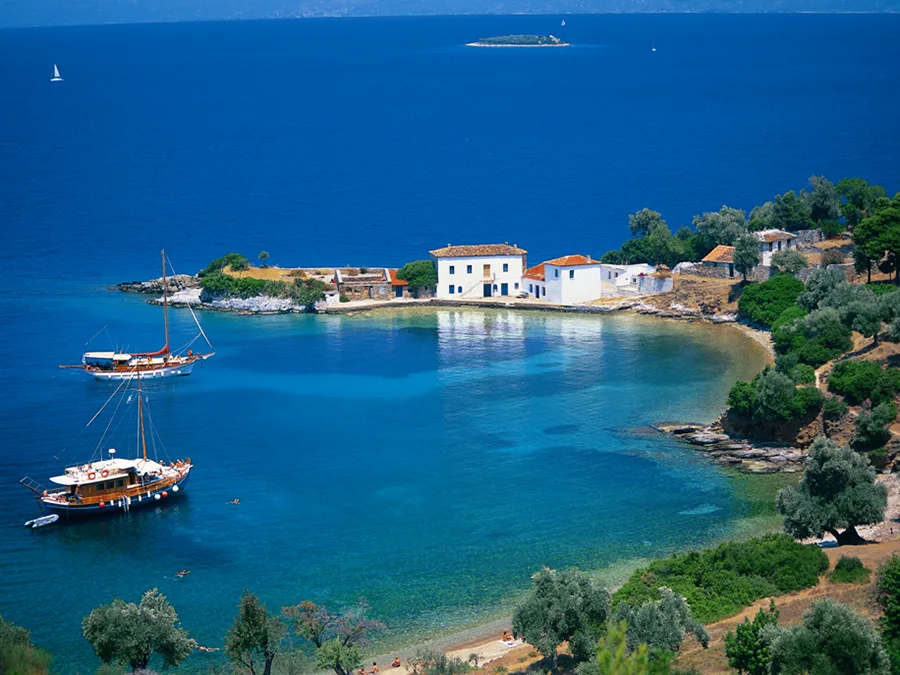
Tzasteni Bay anchorage in the Pagasetic Gulf

Pagasetic Gulf at a glance

Pagasetic is a protected gulf between Pelion and the mainland, ideal when you want easy distances and calmer seas. Great for swim stops, short harbor hops, and a flexible plan that still feels like “real sailing”.

  • Sailing style: short legs, many sheltered coves
  • Anchoring: mostly sand/mud; good holding
  • Mooring: small harbors — arrive early in peak season
  • Provisioning: best in Volos; basics in a few villages
  • Good to know: plan lee-side routes when wind is up
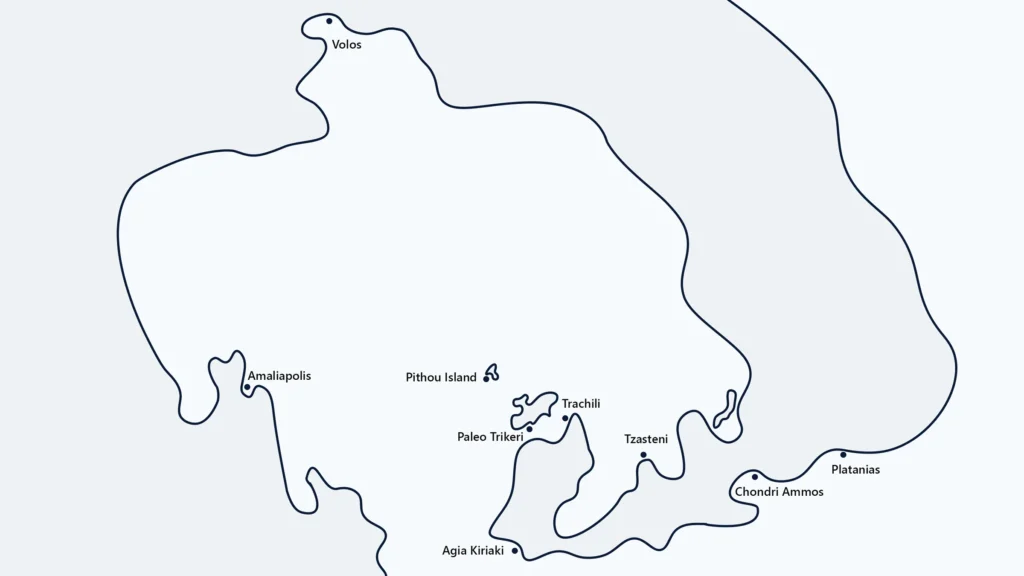
Map of Pagasetic Gulf showing key stops and harbors

VolosPaleo TrikeriAgia KyriakiTzasteni BayTrachili BayPithou IslandAmaliapolisChondri AmmosPlatanias

Chondri Ammos & Platanias are ‘gateway’ stops on the way out of the gulf

Stop-by-stop tips

Volos Marina Base

Volos is your charter base: easiest provisioning, transport links, and the best place to get everyone settled before you sail. Most crews either spend the first night here (late arrivals) or return the last night to make check-out smooth. Use Volos to stock up properly so you don’t waste sailing time searching for basics later.

  • Finding the boat: we’ll send the exact meeting point and berth details before arrival — plan to be at the marina/port area a little early.
  • Parking: there are paid parking areas near the port; if you’re leaving a car for the week, choose a secure option and avoid blocking zones along the waterfront. If you tell us in advance, we can help arrange a suitable parking spot.
  • Provisioning: do the “big shop” in Volos (food, drinks, breakfast items, snacks, sun care). It’s the easiest place for variety and quantities.
  • Water / fuel / gas: the yacht is delivered full at check-in. At the end of your charter, we’ll help you refuel at the yacht’s berth so check-out stays simple.
  • First-night plan: if you arrive early, it’s a great day for a short hop (Paleo Trikeri or a nearby bay). If not, stay in Volos and enjoy the waterfront — plenty of tsipouradika and bars for an easy first night.

Paleo Trikeri Harbor

Paleo Trikeri is a classic first/last stop inside the gulf: a small harbor with a real island feel, calm water, and an easy village stroll. It’s a great “reset” after check-in day — and the seafood tavernas are a highlight.

  • Approach & berthing: small harbor with limited spaces. Watch the local ferry berth — you can often dock, but you may need to move before the ferry arrives.
  • Good for crews: easy evening ashore with a relaxed pace — and a simple “first night together” vibe.
  • Supplies: basic options only — don’t rely on Paleo Trikeri for a full restock.
  • Plan B: if the harbor feels tight or conditions change, choose a nearby bay and return ashore another time.

Agia Kiriaki Harbor

Agia Kiriaki is a practical midpoint stop on the Pelion side — ideal when you want a straightforward overnight on the way out of (or back into) Volos, without committing to a long leg.

  • Shelter: generally comfortable in many conditions, but passing boats can create a surprising swell, especially with a head-on breeze — keep fenders set and lines tidy.
  • Mooring: space can be limited in peak season. Some tavernas offer fixed mooring lines — ask on arrival and follow their instructions.
  • Food & basics ashore: tavernas and simple essentials nearby — fresh seafood is a must here. It’s a great no-stress stop, just don’t expect a big provisioning run.
  • Tip: if you’re heading out of the gulf toward the islands, an early-morning departure is usually best (lighter winds and an easier ride).

Tzasteni Bay

Tzasteni is a calm-water stop with clear water and Pelion views — ideal for a swim break or a quiet sunset.

  • Approach & anchoring: enter slowly, pick a clear patch with room to swing, and set the anchor well (good reverse + anchor alarm).
  • Shelter: comfortable in light/moderate conditions, but if the wind shifts or builds, you’ll feel it — be ready to change plan.
  • Peak-season note: it can fill up quickly; arriving earlier usually means calmer water and easier positioning.
  • Tip: treat an overnight here as settled-weather only — if conditions start building, relocate to Kottes for a more controlled stop.

Trachili Bay

Trachili is a classic “bay night” option — great for swimming, dinner onboard, and sleeping at anchor.

  • Approach & anchoring: anchor first, then (if staying overnight) run long stern lines to the rocks to reduce swinging and keep spacing comfortable.
  • Overnight check: once set, confirm you’re holding (reverse), set an alarm, and watch for wake/swell from passing boats.
  • Comfort: usually a secure-feeling bay, depending on wind angle and traffic.
  • Tip: if space is tight or conditions change, try Pithos Bay nearby as an alternative.

Amaliapolis Harbor

Amaliapolis is a friendly small harbor on the west side of the gulf — an easy stop for dinner ashore and a relaxed village stroll.

  • Approach, berthing & mooring: the harbor usually has plenty of space. You’ll typically dock on the outer side of the quay, stern-to (back in slowly, fenders out, lines ready).
  • Ashore: a nice little waterfront village with tavernas, cafés, and an easy walk — ideal for a simple evening.
  • Facilities: no marina services — typically no water or shore power on the quay, so plan as self-sufficient for the night.
  • Tip: a great alternative harbor stop because it rarely gets as busy as the “classic” hotspots — useful when you want an easy plan without hunting for space.

Pithou Island

Pithou is a small, scenic stop for a quick swim and a calm break mid-gulf — simple, quiet, and easy to fit into most routes.

  • Approach & anchoring: pick a clear patch, set the anchor well (reverse + alarm) and leave room for other boats.
  • Space: it’s not huge — in peak season it can feel tight, so arrive earlier if you want a prime spot.
  • Watch out: there are shallow waters between the small islets — don’t cut through the gaps; go around on the clear / well-water side and approach slowly.
  • Tip: if it feels crowded or the angle isn’t right, switch to Trikeri / Trachili / Tzasteni depending on your route.

Chondri Ammos Bay

Chondri Ammos is a beautiful stop near the gulf entrance with clear water and a beach feel — a very handy midpoint when you’re heading in or out of Pagasetic.

  • Approach & anchoring: either anchor in a clear area with enough swing room, or (if planning to stay and it’s suitable) run long stern lines to the rocks on the right side of the beach to reduce swinging.
  • Conditions / holding: usually comfortable because it’s relatively protected, but take holding seriously — set the anchor properly (reverse + alarm) and check your position.
  • Why stop here: ideal to break up longer legs and keep the day relaxed without pushing distance.
  • Plan B: if it feels full or the setup isn’t right, nearby alternatives are Platanias Harbor or Pontikonisi Island

Platanias Harbor

Platanias is a convenient outside-the-gulf harbor village — a practical waypoint when you want a simple night ashore before committing to an open-water leg.

  • Approach, berthing & mooring: small working harbor — arrive earlier in summer and come in slowly with fenders ready. You’ll usually stern-to along the quay.
  • Water / electricity: often possible to top up – typically works with a paid credit/token system.
  • Ashore: tavernas and an easy waterfront stroll — great for an uncomplicated evening.
  • Tip: a strong staging stop — leave early next morning for lighter winds and a smoother ride toward Skiathos / Skopelos.

Practical Tips

Weather & planning

Pagasetic is generally sheltered and easy, but local effects matter. In summer, lighter mornings often turn into a stronger afternoon breeze — plan longer legs earlier and keep a flexible “lee-side” plan if the wind builds. The gulf entrance can feel more exposed than the inner areas, so if you’re heading out toward the islands, an early departure is usually the easiest ride.

Anchoring & harbor basics

Most stops are straightforward: sand/mud holding in many areas, and small harbors with stern-to mooring. Arrive early in peak season, come in slowly with fenders ready, and don’t hesitate to switch bays if the angle or traffic doesn’t feel comfortable. If you stay overnight at anchor, set properly, allow room for swing, and consider long stern lines where it’s common/appropriate to reduce swinging and keep spacing.

Supplies & water

Do your main provisioning in Volos — it’s the easiest place for variety and quantities. Smaller stops are great for dinner and a simple top-up, but don’t rely on them for a full restock. For water/electricity/fuel procedures, confirm during check-in so you don’t lose time later; at the end of the charter we’ll help you refuel at the yacht’s berth to keep check-out smooth.

Quick checklist

  • Provision in Volos (big shop)
  • Confirm check-in time & meeting point (message us)
  • Get some cash for smaller places – ATMs can be scarce.
  • Download charts offline / save key waypoints (phone/tablet)
  • Start longer legs early (mornings calmer)
  • Arrive early to small harbors in peak season
  • Overnight at anchor: set + verify + tidy lines
  • Refuel at the end — we help at the berth so check-out stays smooth.
  • Plan a Plan B bay/harbor if it feels crowded

Ready to plan your Sporades adventure?

Want help choosing the right route?

Share your dates and preferred pace — get a suggested itinerary and a quote.